 Xpress News24
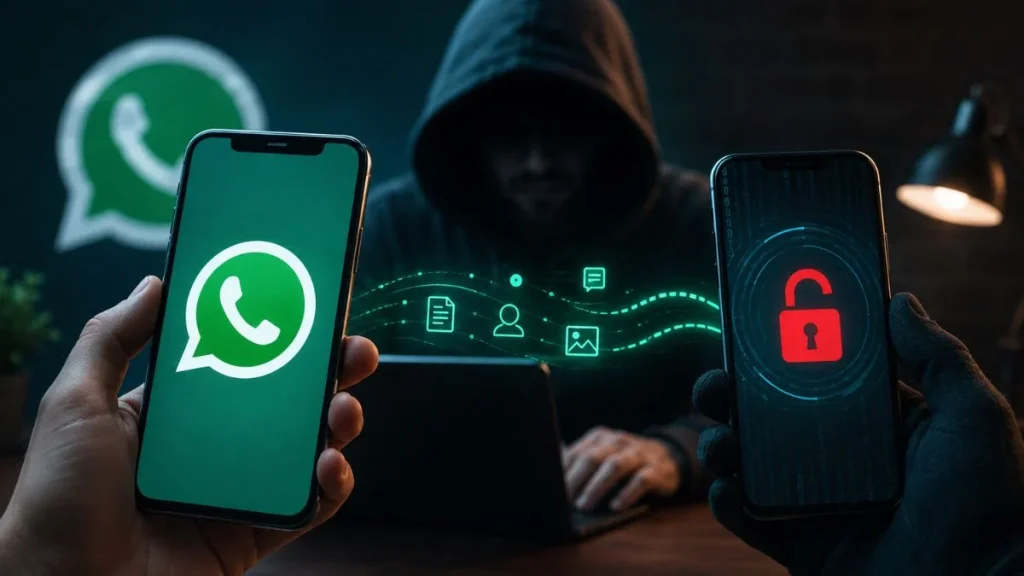
Today, WhatsApp is no longer just a messaging tool; it has become an integral part of our daily lives, handling everything from family chats to office communication and banking information. This makes WhatsApp accounts a primary target for cybercriminals. Surprisingly, hackers don’t always need to steal your password to compromise your account; often, a single careless mistake is enough to give them access to your personal data.
How Breaches Happen Despite Strong Passwords
With over 3 billion active users worldwide, WhatsApp offers robust security features like end-to-end encryption and two-step verification. However, social engineering, phishing, and AI-driven scams continue to pose major challenges.
According to Malwarebytes Labs, scammers are now bypassing passwords by tricking users into handing over access themselves. They often send seemingly harmless or appealing messages, such as requests to “vote for my friend.” When a user clicks on such a malicious link and follows the instructions or shares a verification code, their account gets linked to an unauthorized third-party device.
Device Linking and Verification Codes as Weapons
WhatsApp’s “Device Linking” feature allows users to access the same account across multiple devices, but this functionality has been weaponized by online fraudsters:
-
Verification Code: Never share your 6-digit WhatsApp verification code with anyone, even if the message appears to come from a friend or acquaintance. Scammers frequently hack accounts or clone profile pictures to build false trust.
-
Two-Step Verification: Enable Two-Step Verification in your privacy settings immediately. This requires a 6-digit PIN whenever your account is re-registered or verified, ensuring that even if someone intercepts your SMS code, they cannot access your account without your PIN. Using WhatsApp Passkeys also enhances login security.
Emerging Threats from AI and Scam Alerts
The rise of artificial intelligence (AI) has made fraudulent messages and conversations look remarkably authentic. In response, Meta and WhatsApp have introduced features like “Scam Alert,” which identifies suspicious chat patterns and messages from unknown contacts early on. If potential fraud is detected, the system warns the user within the chat, allowing them to block or report the contact safely.
Key Scams to Watch Out For
-
Job and Investment Scams: Be wary of online job offers promising high pay for simple work-from-home tasks, especially if they ask for registration fees. Similarly, avoid unverified investment schemes promising high returns with low risk.
-
Relationship and Emotional Scams: Fraudsters often build emotional connections over time and later invent emergencies, medical crises, or travel mishaps to ask for money.
-
Unknown Calls and Screen Sharing: Use the “Silence Unknown Callers” feature to avoid spam. Never share your screen during video or voice calls with strangers, as it can expose sensitive banking details, OTPs, and personal information.
If you suspect you are being targeted by a scam, block and report the number immediately. Remember, account security relies as much on your personal vigilance as it does on technology.