 Xpress News24
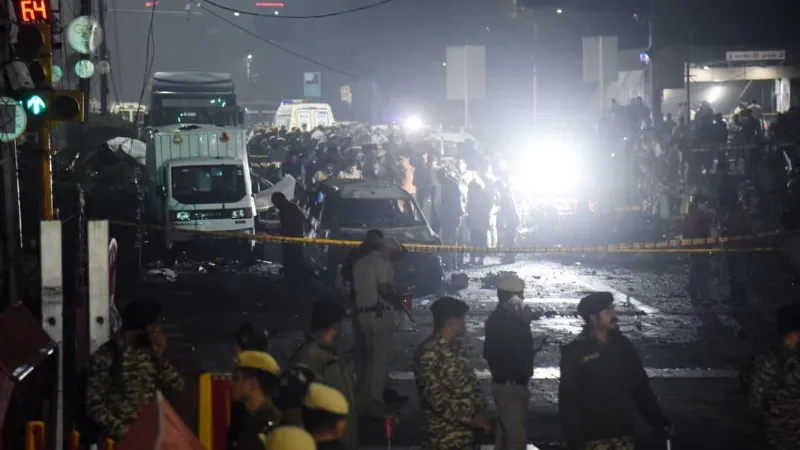
New details emerging from the National Investigation Agency’s (NIA) charge sheet in the Delhi Red Fort blast case have shed more light on the alleged use of a Hyundai i20 as a vehicle-borne improvised explosive device (VBIED), the identity of the person inside the car and the wider network being investigated.
According to the charge sheet, forensic examination of material recovered from the blast site and the remains of the vehicle detected traces of TATP, ammonium nitrate and potassium nitrate. The agency has linked these findings to its allegation that the Hyundai i20 was used as the vehicle carrying the explosive device.
One of the key developments concerns the identity of the person believed to have been inside the car when the explosion occurred. The NIA says DNA profiling of biological samples recovered from the site, including body remains and samples taken from the nose, identified Umar Un Nabi. The agency has cited this as evidence that Umar was present inside the vehicle at the time of the blast.
The charge sheet also refers to the recovery of a command mechanism bearing red tape. The NIA says traces of explosive material were detected on the device and has treated its recovery as an important part of the investigation into how the alleged explosive device was activated.
The probe has also drawn a connection with a separate case involving an explosion at a police station in Nowgam. The charge sheet refers to case number 162/2025 and alleges that explosive-related material, chemicals, laboratory equipment, timers, batteries and other items were recovered from a rented premises linked to accused Muzammil, identified as A-4. The location was reportedly outside Al-Falah University in Faridabad.
According to the charge sheet, the recovered material was being taken to Nowgam police station for investigation when an explosion took place on November 14, 2025. The document records the deaths of nine police personnel and injuries to 29 people. The blast also caused damage to nearby structures, according to the agency’s account.
Forensic evidence forms a major part of the NIA’s case. The agency says 73 exhibits were seized after the Red Fort blast. Of these, 64 samples were examined by the Central Forensic Science Laboratory (CFSL) in Chandigarh, while nine were examined by the National Forensic Sciences University (NFSU) in Gandhinagar.
The charge sheet says both laboratories detected TATP along with ammonium nitrate and potassium nitrate. The NIA has relied on these findings to support its allegation regarding the nature of the explosive material involved in the blast. The agency has described TATP as the primary explosive that appears to have been used, based on the expert reports cited in the document.
The investigation has also expanded into alleged digital activity and contacts among the accused. The charge sheet mentions Jasir Bilal Wani and alleges that he searched online, including through YouTube and ChatGPT, for information related to making rockets. The agency further alleges that he prepared a rocket, although its testing was later postponed. The document also refers to two drones allegedly provided to him by Umar Un Nabi.
Another piece of evidence cited by the NIA is a pen drive allegedly recovered from Shaheen Saeed. According to the charge sheet, it contained 87 photographs, including images allegedly showing terrorist doctor Mujammil Shakeel and Shaheen Saeed with weapons.
The agency has also alleged links between some accused and groups including Ansar Ghazwat-ul-Hind (AGuH) and AQIS. Digital communications through the Signal messaging application and the use of code names are mentioned in the charge sheet, including the alleged use of the name “Rauldatta” by one accused.
The document further refers to a manual titled Lone Mujahid Pocket Book/How to Become an Assassin, which the NIA describes as an AQAP-linked document. Investigators have also cited the recovery of extremist literature and other material as part of their broader probe.
Umar Un Nabi’s legal position is separately addressed in the charge sheet. The NIA says he died in the November 10 blast. Consequently, proceedings against him under the Unlawful Activities (Prevention) Act, Arms Act and Explosive Substances Act have been treated as abated due to his death.
The charge sheet indicates that investigators are examining the Red Fort blast as part of a wider alleged conspiracy, using forensic findings, DNA evidence, recovered material, digital communications and documents to establish the chain of events. The allegations remain subject to judicial scrutiny as the legal proceedings continue.